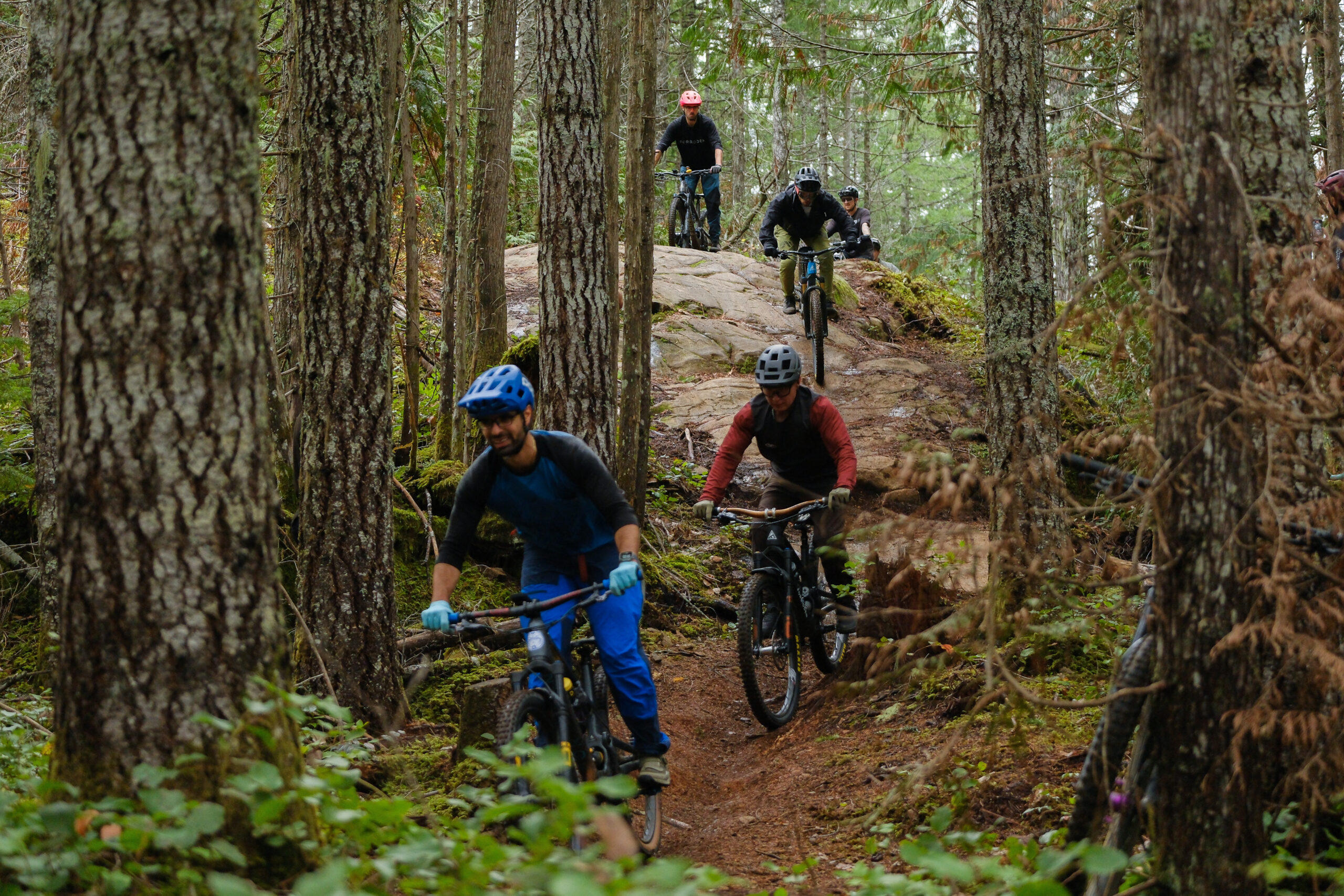


6 Steps to Become a Bike Coach
Cycling in Canada is more than a pastime—it’s a growing industry built on community, adventure, and expertise. From mountain bike parks and gravel events to youth development programs and destination riding, the demand for qualified bike coaches has never been higher.
If you’re passionate about riding and want to turn that passion into a profession, here’s a practical roadmap to becoming a bike coach in Canada—and doing it the right way.
1. Build a Strong Foundation with Recognized Certifications
The first step to coaching professionally is credibility. That starts with recognized instructor and coaching certifications.
PMBIA (Professional Mountain Bike Instructors Association)
PMBIA is the gold standard for mountain bike instruction Globally. Its certification pathway—from Level 1 through Level 4—focuses on:
- Teaching methodology
- Risk management
- Skill progression
- Trail etiquette and environmental stewardship
PMBIA certification signals to riders, parents, and partners that you meet nationally recognized coaching standards.
Global Syndicate Certifications
For coaches working across disciplines—freestyle, downhill, dirt jump, or high-performance riding—Global Syndicate certifications complement PMBIA by emphasizing:
- Advanced rider development
- Athlete-focused coaching models
- Progressive skill analysis
Together, these certifications help position you as a well-rounded professional, not just a strong rider.
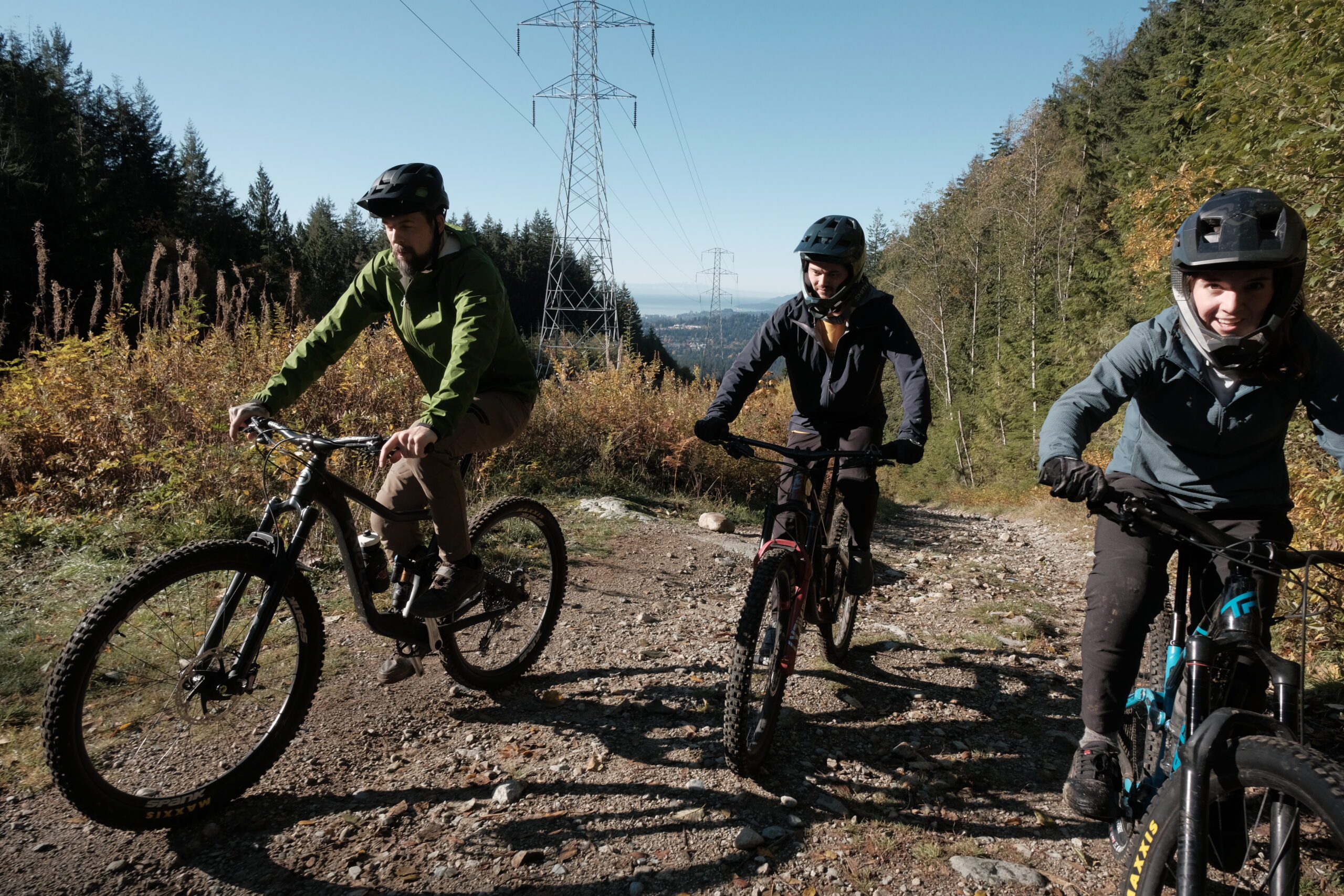
2. Prioritize Safety with First Aid & Medical Training
Coaching in outdoor environments means safety is non-negotiable. Clients, venues, and insurers will expect formal medical training appropriate to your coaching environment.
Recommended certifications include:
- Wilderness First Aid / Wilderness First Responder
Programs delivered in partnership with Canadian Outdoor Medical Consulting are ideal for remote or trail-based coaching. These courses prepare you for:- Delayed emergency response
- Environmental injuries
- Evacuations and incident management
- Basic OFA Level 1 (Occupational First Aid)
Offered by providers like St. John Ambulance, OFA Level 1 is widely recognized and often required by venues, municipalities, and camps.
Having both wilderness-focused and occupational first aid training not only improves safety—it strengthens your professional profile and risk management practices.
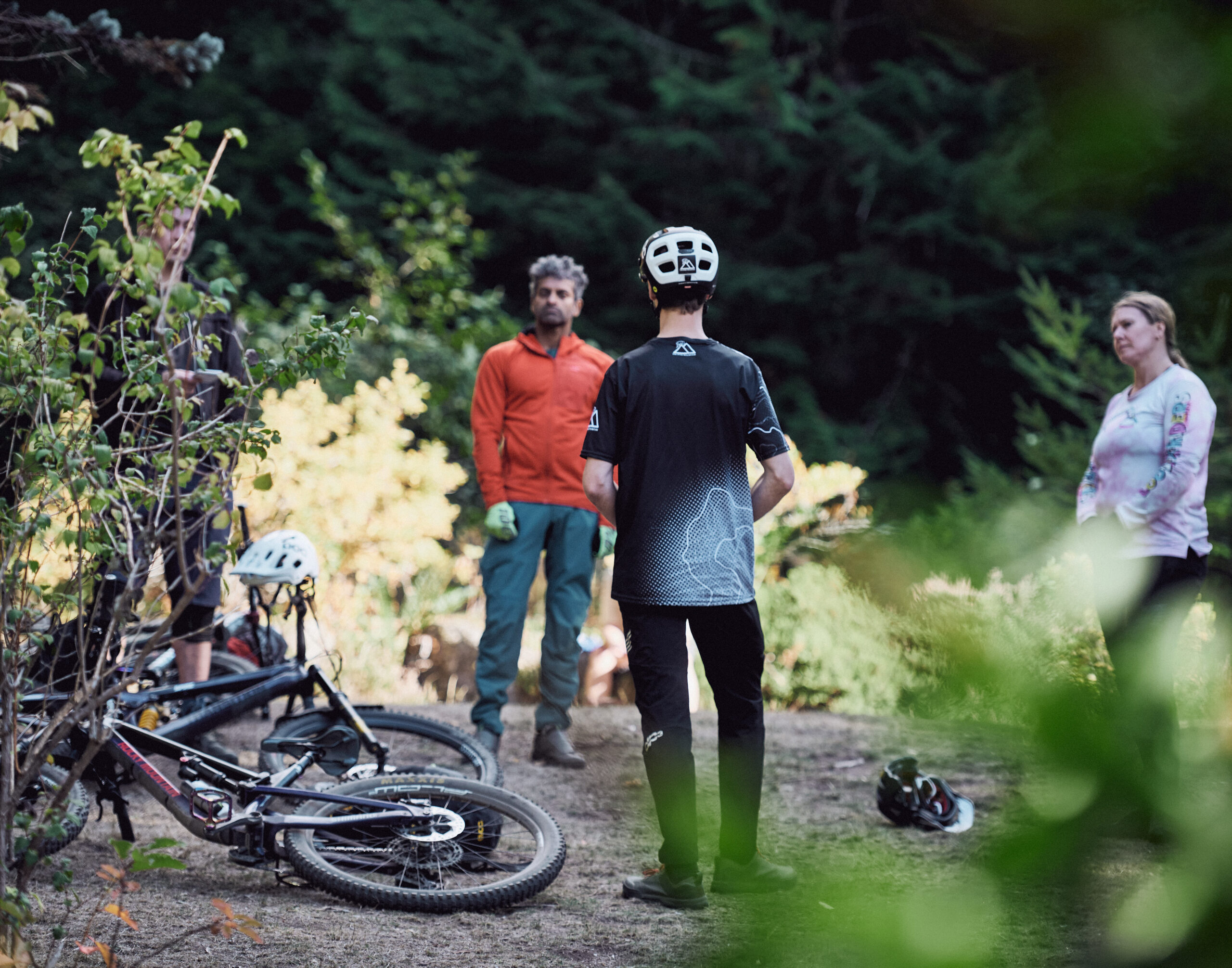
3. Learn to Work with the Public (Not Just Your Riding Friends)
Great coaches aren’t just great riders—they’re great communicators.
Working with the public means:
- Teaching riders of varying ages, abilities, and confidence levels
- Explaining complex skills in simple, approachable ways
- Managing group dynamics and expectations
- Demonstrating professionalism, patience, and inclusivity
This is where certifications, experience, and repetition come together. Coaching is a skill in itself, and your ability to demonstrate expertise clearly and safely is what keeps participants coming back—and recommending you to others.
4. Find Participants & Run Programs Like a Pro
Once you’re certified and trained, the next challenge is building consistent participation.
That’s where platforms like BOOKYRSLF come in.
BOOKYRSLF allows coaches to:
- List coaching sessions, camps, and clinics
- Manage registrations and payments
- Showcase credentials and experience
- Reach participants actively searching for world-class riding experiences
Rather than relying solely on word of mouth or social media, using a professional booking platform helps legitimize your coaching business and scale your reach.
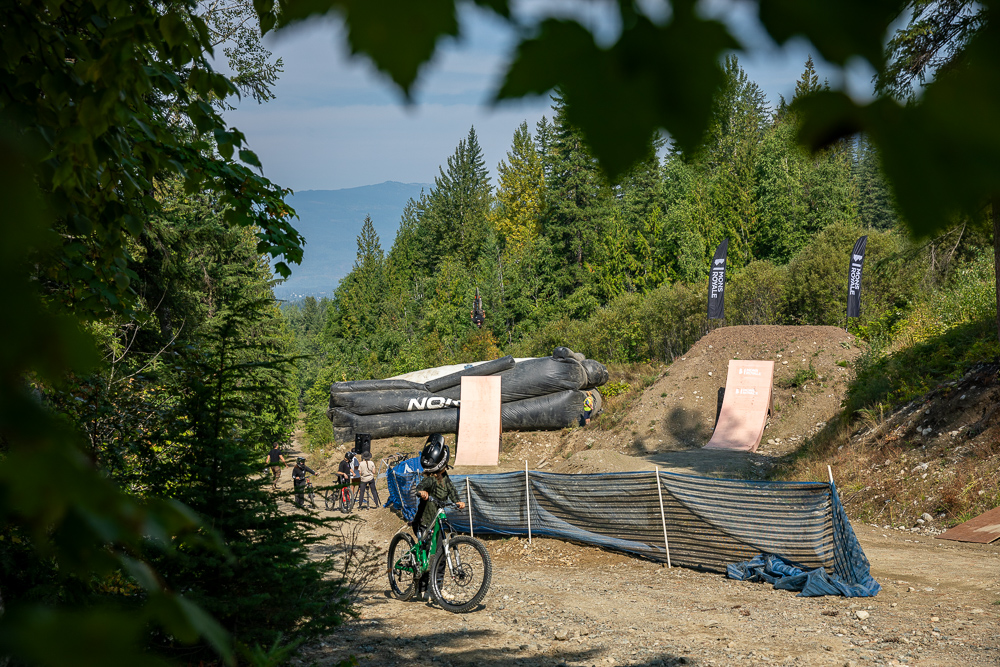
5. Choose World-Class Venues (and Respect Them)
Canada is home to some of the best riding destinations in the world—from coastal BC trail networks to bike parks, alpine routes, and purpose-built facilities across the country.
When coaching:
- Work with sanctioned, insured venues whenever possible
- Understand land-use agreements and trail access policies
- Coordinate with bike parks, resorts, and trail associations
- Leave a positive impression on local communities and stakeholders
Professional coaches help protect access by operating responsibly and respecting the environments they teach in.
6. Think Like a Business (and Protect What You’re Building)
As you transition from rider to coach, you’re also becoming a business operator. That means thinking about:
- Liability exposure
- Professional credibility
- Equipment and gear protection
- Long-term sustainability
This is where working with an insurance partner that understands cycling—like Bicycle Broker—becomes critical. Coaching, guiding, and instruction come with unique risks, and having the right coverage helps ensure one incident doesn’t derail your career.
CLICK HERE to view our insurance services specific to certified instructors.
Final Thoughts
Becoming a bike coach in Canada isn’t about shortcuts—it’s about building trust, skill, and professionalism over time.
With the right certifications, medical training, public-facing experience, booking tools like BOOKYRSLF, and access to world-class venues, you can turn your passion for riding into a meaningful and sustainable career—while helping grow the cycling community across Canada.
If you’re coaching, guiding, or thinking about taking that next step, our team of insurance experts are here to support the people who keep our sport moving forward.